
25 Brilliant Kitchen Cabinet Designs for More Storage
Cabinets decide how well your kitchen works every single day. The right kitchen cabinet designs give every pan, plate and spice jar a proper home, so cooking feels calm instead of crowded. A good cabinet plan also saves steps, time, and daily frustration.
This guide walks you through 25 styles, from classic shaker doors to deep drawers and tall pantry units. Each idea explains the storage win behind the look, plus simple tips on cost, care and pairing. Whether you are planning a full remodel or a small refresh with paint and new fronts, you will find storage that truly works for your space, your budget and the way your family cooks. In my experience, storage planned around real cooking habits lasts far longer than storage chosen for looks alone.
Shaker Style Cabinets
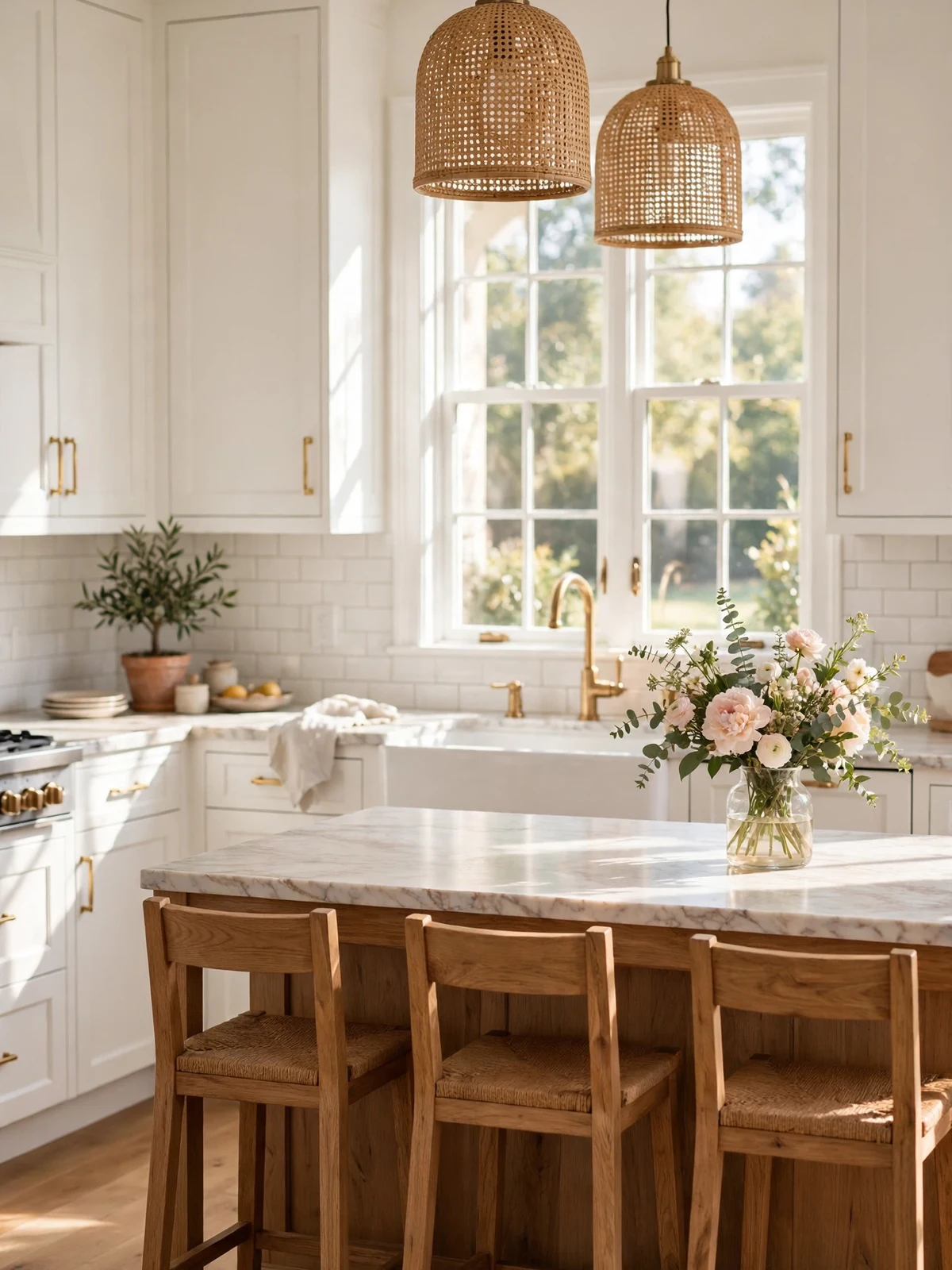
Shaker doors have a simple frame around a flat center panel, a look that suits farmhouses, modern flats and everything between. Among all kitchen cabinet designs, shaker stays popular because the style never fights with your tiles, floors or handles.
The real win is storage. Deep shaker drawers hold heavy pans without sagging, and wide cabinets fit baking trays standing upright. Choose soft close runners and your drawers glide quietly for years. Pair painted fronts in sage, navy or cream with wood knobs for warmth, or brass pulls for a smarter finish.
Flat Panel Modern
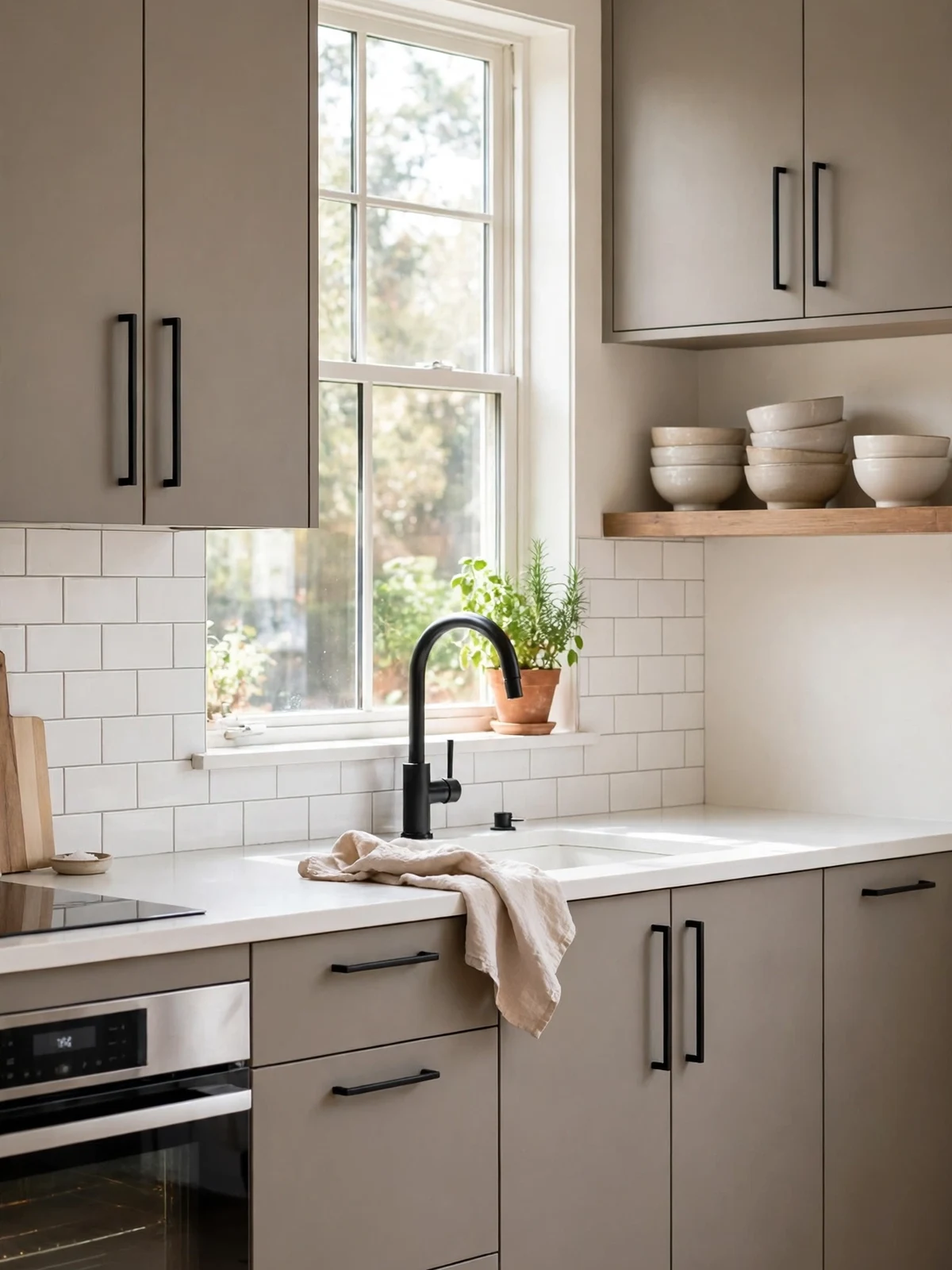
- Smooth doors with no grooves to trap grease
- Easy wipe clean finish for busy weeks
- Works with push latches or slim bar handles
- Flat fronts make small kitchens feel calmer
Flat panels shine in compact kitchens where every centimeter counts. Without raised frames, doors sit closer together, so runs look longer and storage feels larger. Add deep drawers below the counter for pans and keep daily plates in one wide wall cabinet near the dishwasher.
Glass Front Cabinets
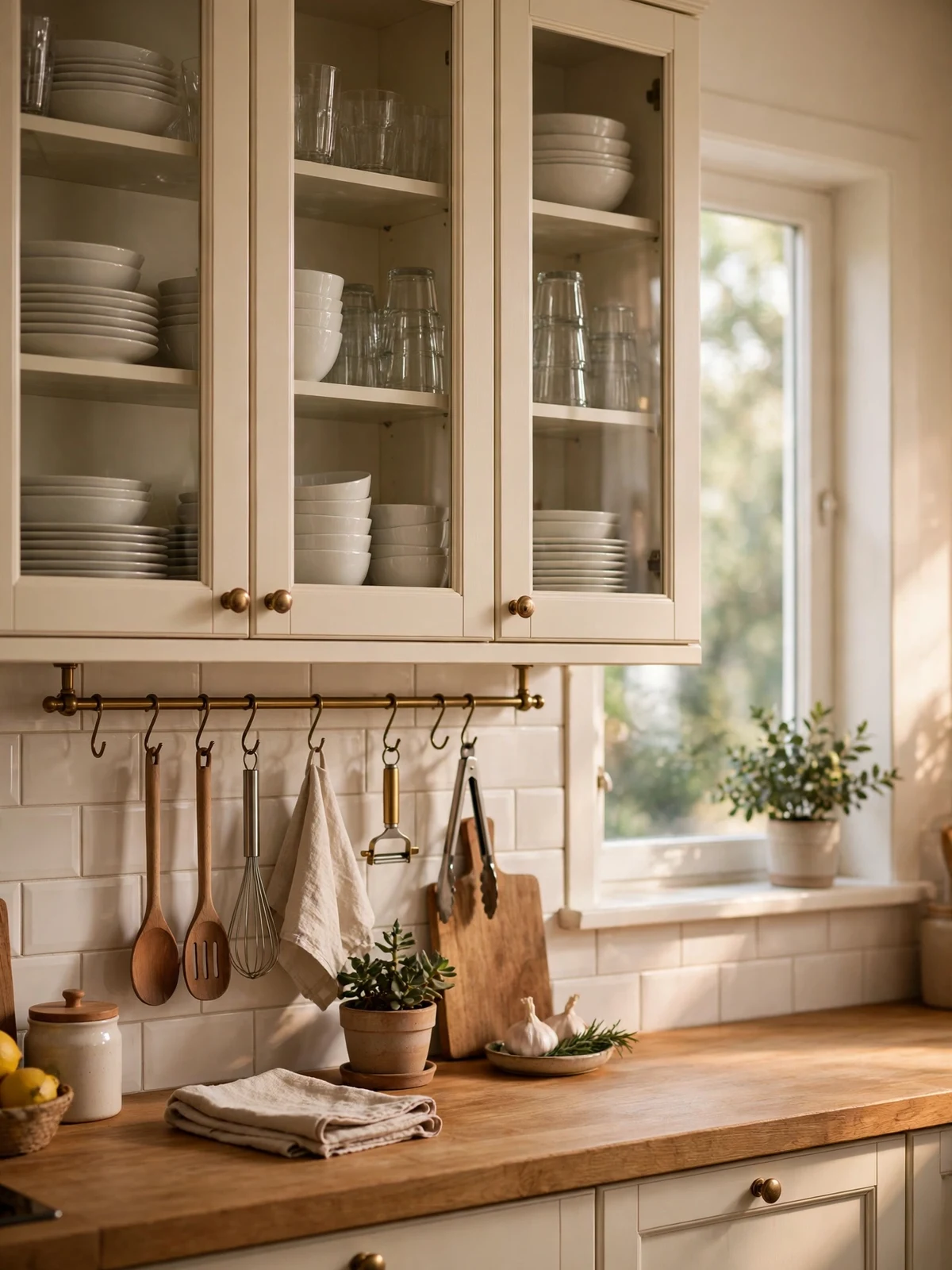
Quick Tip: Use glass only on upper cabinets and keep everyday dishes behind solid doors below.
Glass fronts turn stored dishes into part of the decor, which makes a small kitchen feel open and personal. They also help you find things at a glance, so mugs and bowls stop hiding at the back of deep shelves. Choose clear glass for tidy stacks, or frosted and ribbed glass if your shelves hold mixed items. Fit small lights inside the cabinet and the whole run glows softly in the evening.
Two Tone Cabinet Pairing
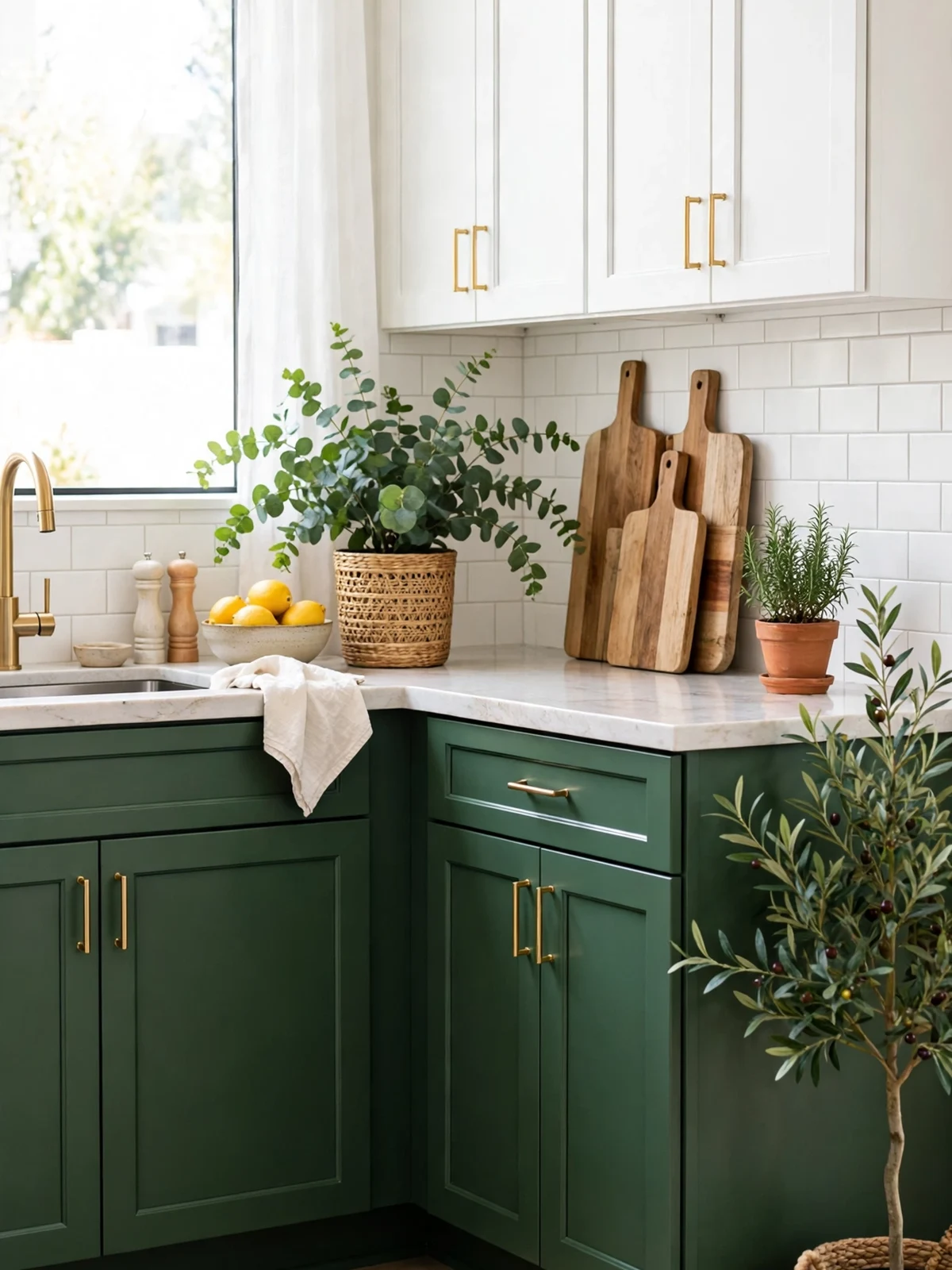
BEFORE: One flat color on every cabinet, with cluttered counters and no clear zones for cooking or storage.
AFTER: Dark lower cabinets ground the room, pale uppers keep it bright, and every zone has its own storage.
Two tone pairing is more than a color trick. Dark base cabinets hide scuffs near the floor, while light wall cabinets bounce daylight around the room. Use the split to plan storage too: heavy pans in the dark lowers near the stove, glasses and light bowls above. A wood island or open shelf in the middle ties both colors together and adds handy extra space for cookbooks and fruit bowls.
Open Shelf Cabinets
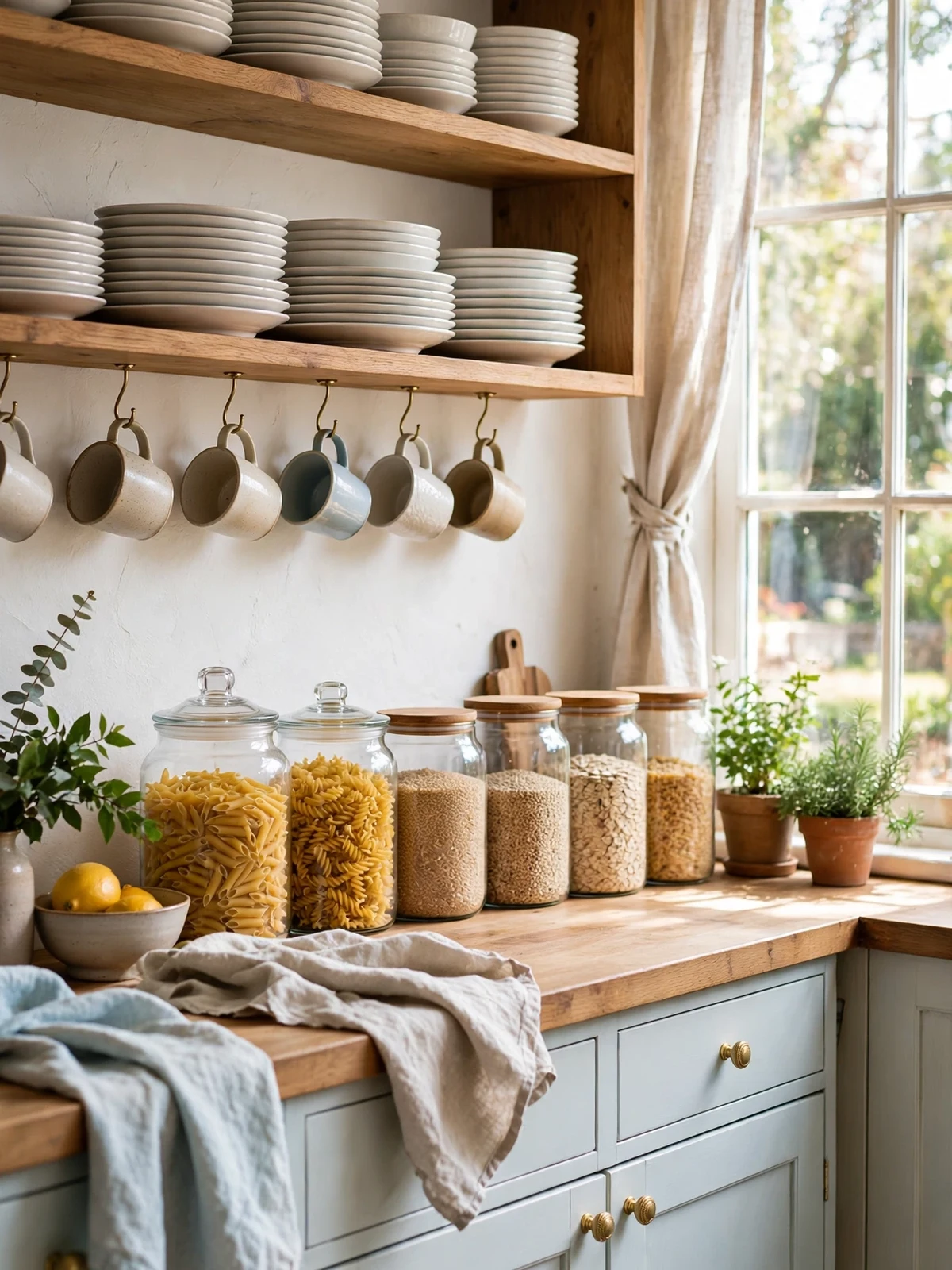
- Remove two or three upper cabinet doors, or one full cabinet.
- Sand and paint the inside to match the walls.
- Add one sturdy shelf at mid height if the box feels tall.
- Line up daily plates, bowls and glasses in neat groups.
- Keep a small step stool nearby for the top shelf.
Open shelves inside an old cabinet box give you the airy look without a full rebuild. Daily items stay visible and quick to grab, and guests can help themselves without opening every door. Keep only what you use each week on show and store the rest behind closed doors, so the shelves stay tidy without daily effort.
Beadboard Cabinet Doors
| Feature | Beadboard Doors | Plain Flat Doors |
|---|---|---|
| Look | Cottage texture | Smooth and plain |
| Cleaning | Grooves need a brush | Quick wipe |
| Cost | Low, often DIY panels | Low to mid |
| Best for | Farmhouse styles | Modern styles |
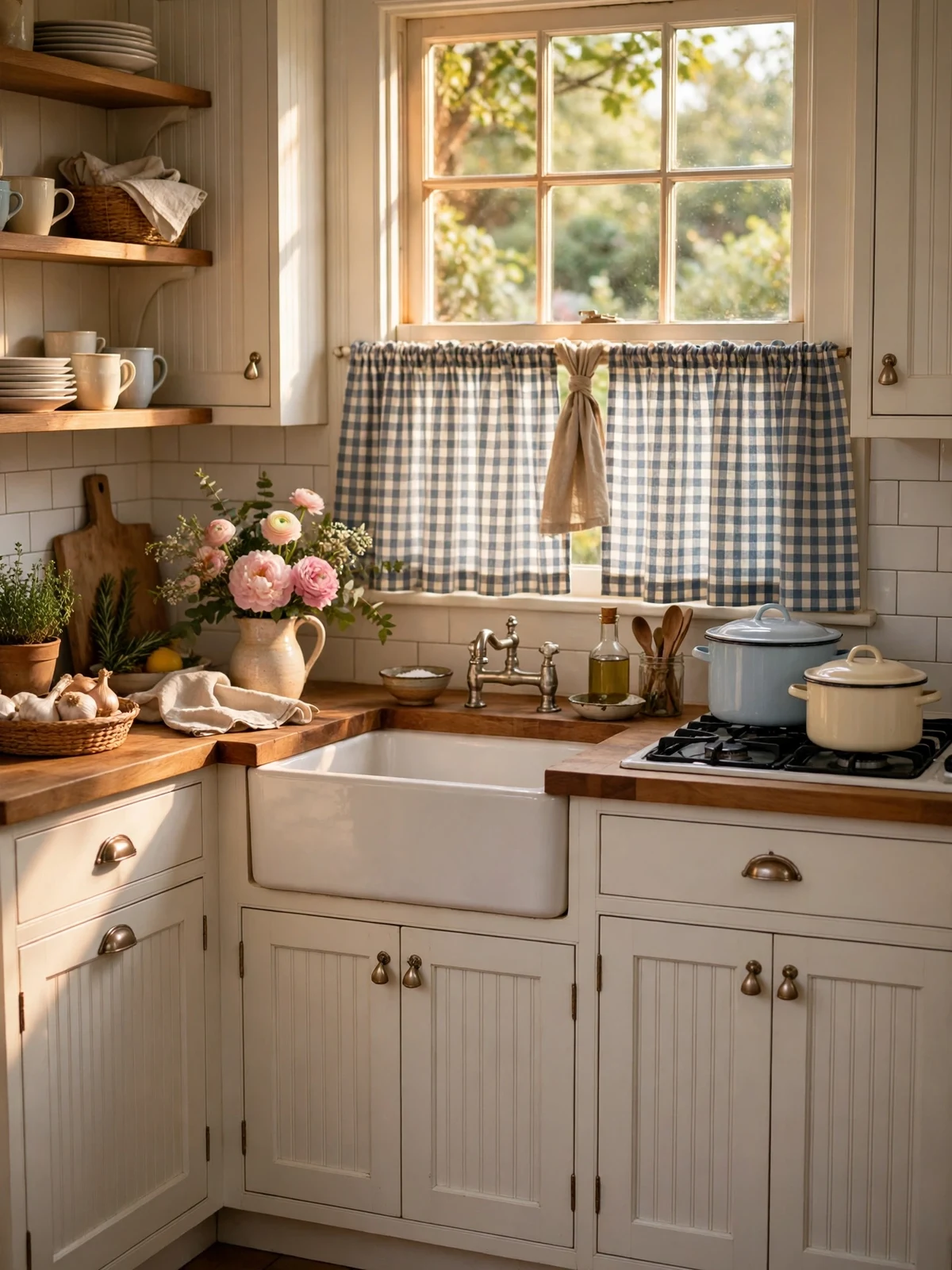
Beadboard adds gentle texture that suits country and cottage kitchens. The grooves catch light and shadow, so plain white paint gains depth without extra color. Storage stays standard inside, which means you can fit beadboard fronts onto your current cabinet boxes as a weekend refresh. Seal the paint well near the sink and stove, and the grooves stay easy to clean with a soft brush.
Slab Wood Cabinets

DO:
- Let the wood grain run one direction on each run
- Pair slabs with simple handles or edge pulls
- Store heavy items in lower slabs with strong runners
DON’T:
- Mix three or more wood tones in one room
- Fit slab fronts where steam hits them all day
- Skip sealing the edges near the sink
Slab fronts show one calm sheet of wood, so the grain becomes the pattern. Walnut feels rich, oak feels fresh, and both hide small marks better than glossy paint. Because the doors are flat, you can use the full cabinet depth for wide drawers and pull outs, which suits big pans and bulk food storage.
Inset Cabinet Frames
Cost: Mid to high, since frames are fitted by hand
Time: Several weeks for a made to measure run
Skill Level: Professional fitting recommended
Best For: Classic kitchens and long term homes
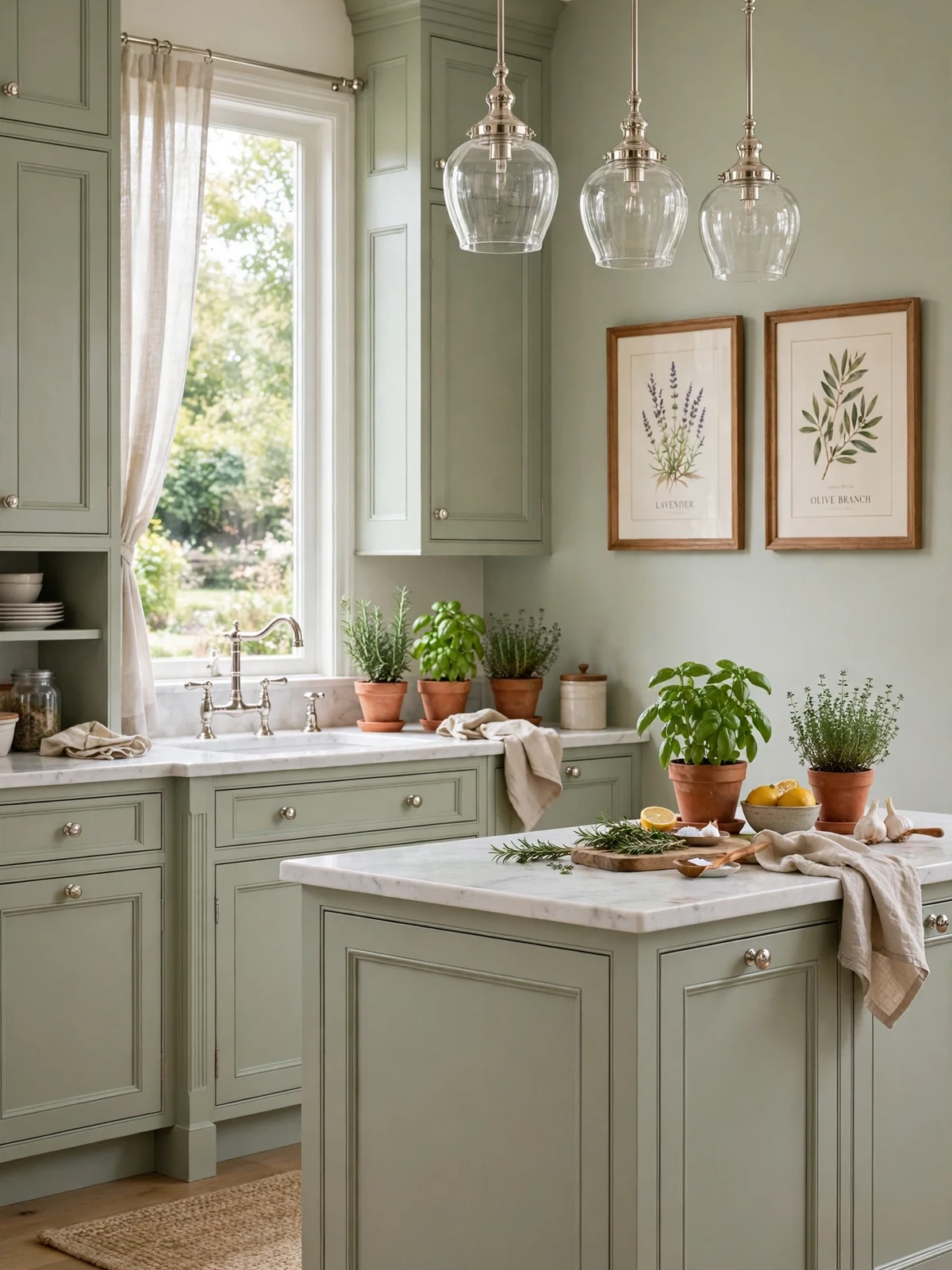
Inset doors sit inside the cabinet frame instead of lying on top of it, giving a furniture like finish. The storage inside works like any framed cabinet, with room for adjustable shelves and drawer boxes. Plan a small gap around each door when fitting, because wood moves a little with heat and steam through the year.
Fluted Cabinet Fronts
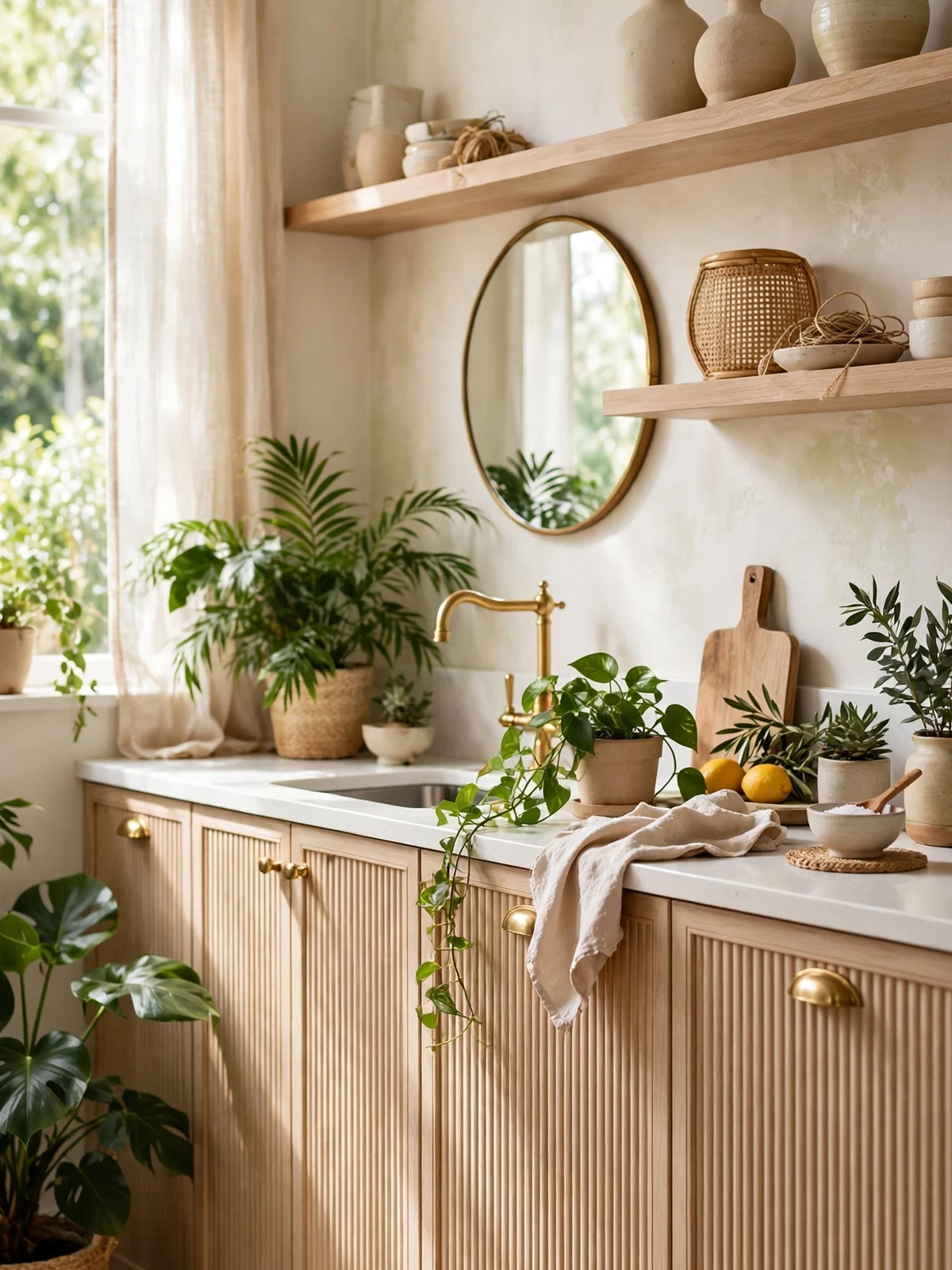
Fluted fronts carry fine vertical grooves across the door, a detail borrowed from classic furniture. The lines catch light through the day, so plain colors look rich without bold paint. Oak and painted finishes both work well here.
Behind the texture, fluted cabinets store like any standard unit. Add pull out trays in base cabinets so tins and jars slide forward instead of hiding at the back. The grooves also hide fingerprints better than flat gloss doors, which helps in homes with young children and busy cooking nights. Start small with one cabinet run first.
Handleless Push Latch
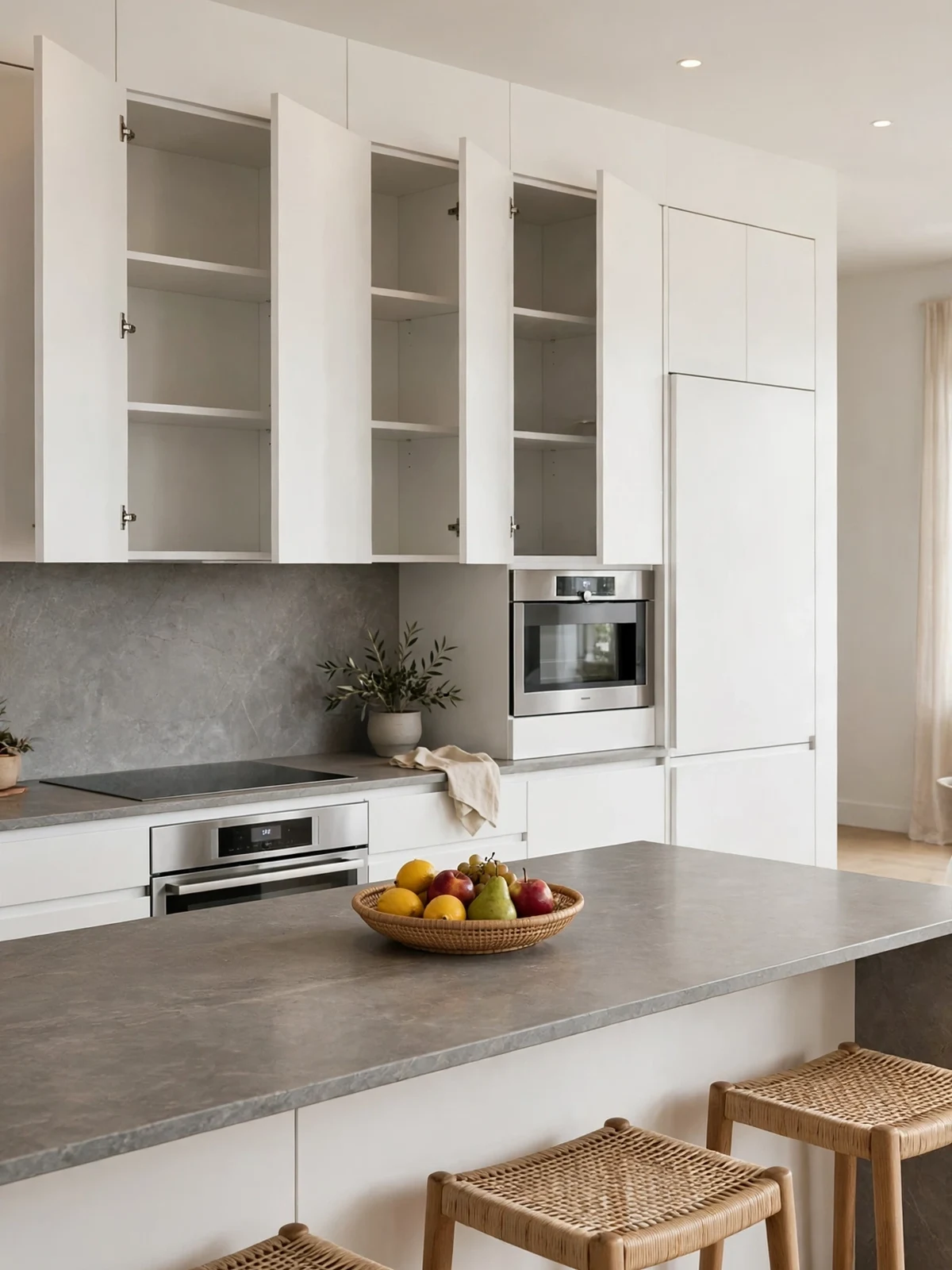
- Press the door and it pops open softly
- No handles to catch sleeves or hips
- Clean lines suit small and modern kitchens
- Works on drawers, doors and tall units
Push latches shine when your hands are covered in flour or sauce. One press opens the bin drawer or the cupboard under the sink. Inside, plan the same storage as any cabinet, but keep one handled drawer near the stove for fast grabs during busy cooking.
Tall Pantry Cabinets
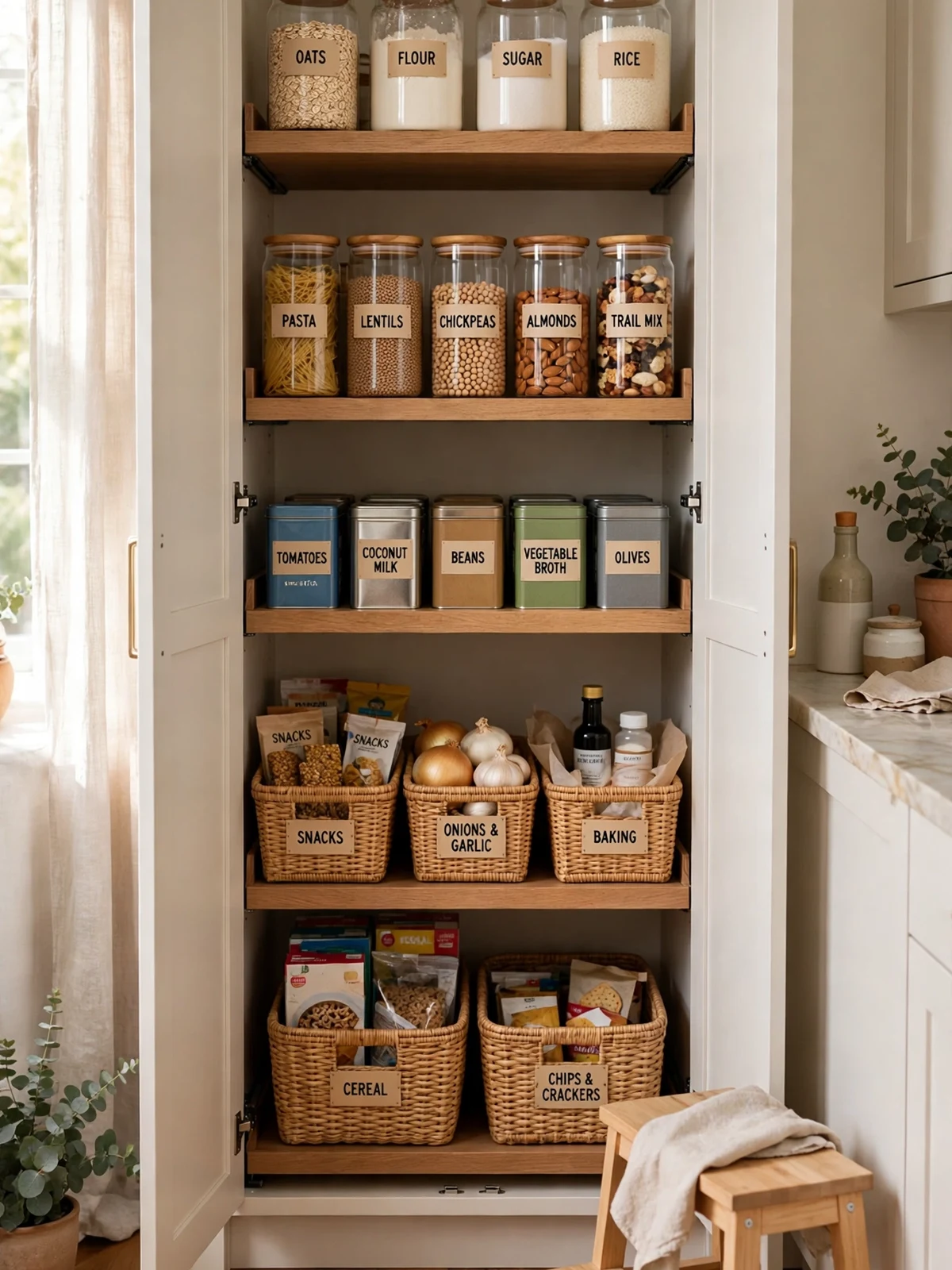
Quick Tip: Fit pull out shelves inside tall units so nothing gets lost at the back.
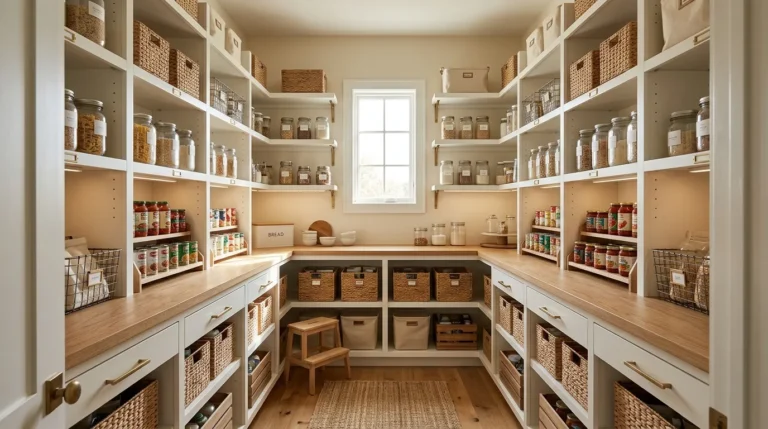
A tall pantry turns one narrow slice of wall into a full food store. Cereal, tins, jars and baking supplies stand in rows you can read at a glance. Add labels on every shelf edge and the whole family puts things back in the right spot. Keep heavy jars low, breakfast items at eye level, and treats on the top shelf if small hands go hunting.
Corner Carousel Units
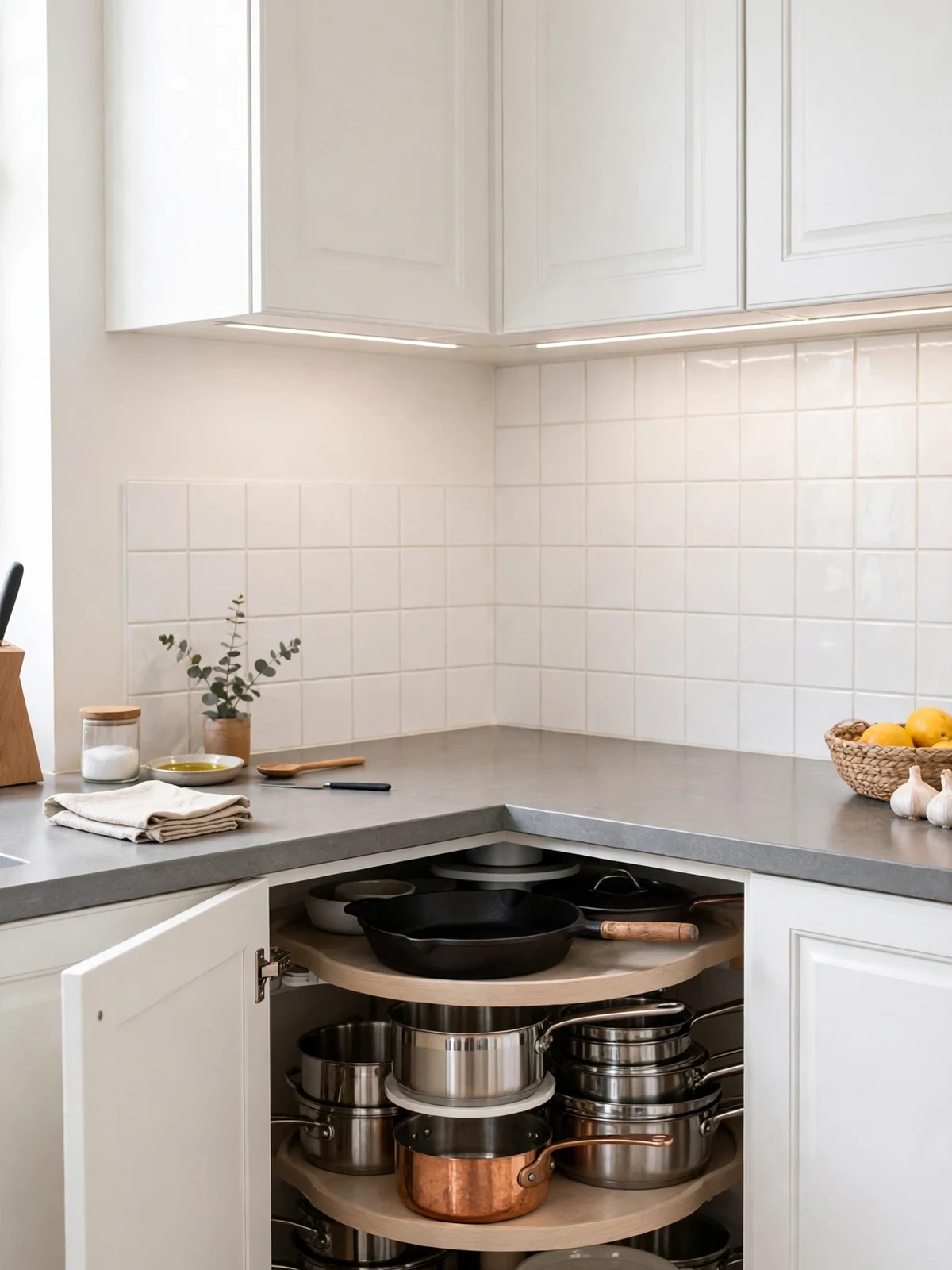
BEFORE: A deep corner cabinet where pots vanished into the dark and every meal started with kneeling and reaching.
AFTER: Two round trays that spin everything into the light, with pans stacked neatly and lids stored on the door.
Corner cabinets waste more space than any other unit, and a carousel wins most of it back. Fit trays that match your pan sizes, keep the heaviest pots on the lower tray, and store lids in a slim rack on the door. The result is corner storage you actually use every day, instead of a cupboard you avoid opening.
Appliance Garage Cabinets

- Choose a counter corner or a short run near the sockets.
- Fit a cabinet with a lift up or roll up door.
- Place the toaster, kettle and coffee maker inside.
- Add a small shelf above for mugs and pods.
- Close the door after breakfast for a clear counter.
Few kitchen cabinet designs tidy a counter as fast as an appliance garage. Small machines stay plugged in and ready, yet the worktop stays clear for rolling dough and chopping. Measure your tallest machine before ordering, and leave room for steam to escape when the kettle boils.
Mesh Insert Doors
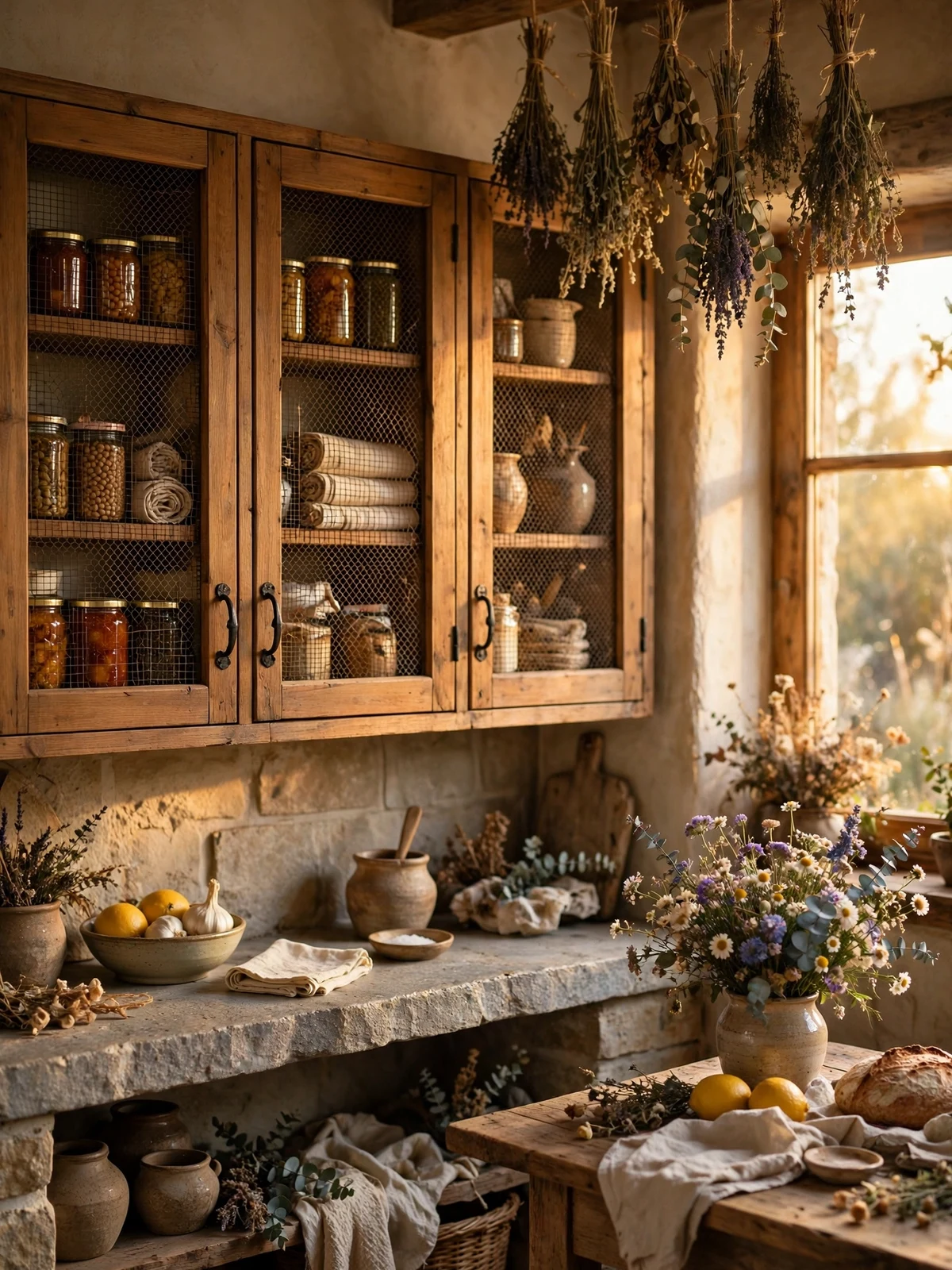
| Feature | Mesh Inserts | Solid Doors |
|---|---|---|
| Airflow | Air moves freely | No airflow |
| View | Items partly visible | Fully hidden |
| Cleaning | Wipe frame, brush mesh | Quick wipe |
| Best for | Produce and linens | Everyday clutter |
Mesh panels let air reach onions, garlic and bread, so they keep better than in a sealed box. The soft view of jars and folded linens adds a handmade feel to wood cabinets. Use mesh on one or two doors only, near the food prep zone, and keep the rest solid for visual calm. A removable panel makes cleaning simple when crumbs collect behind the wire.
Painted Navy Cabinets
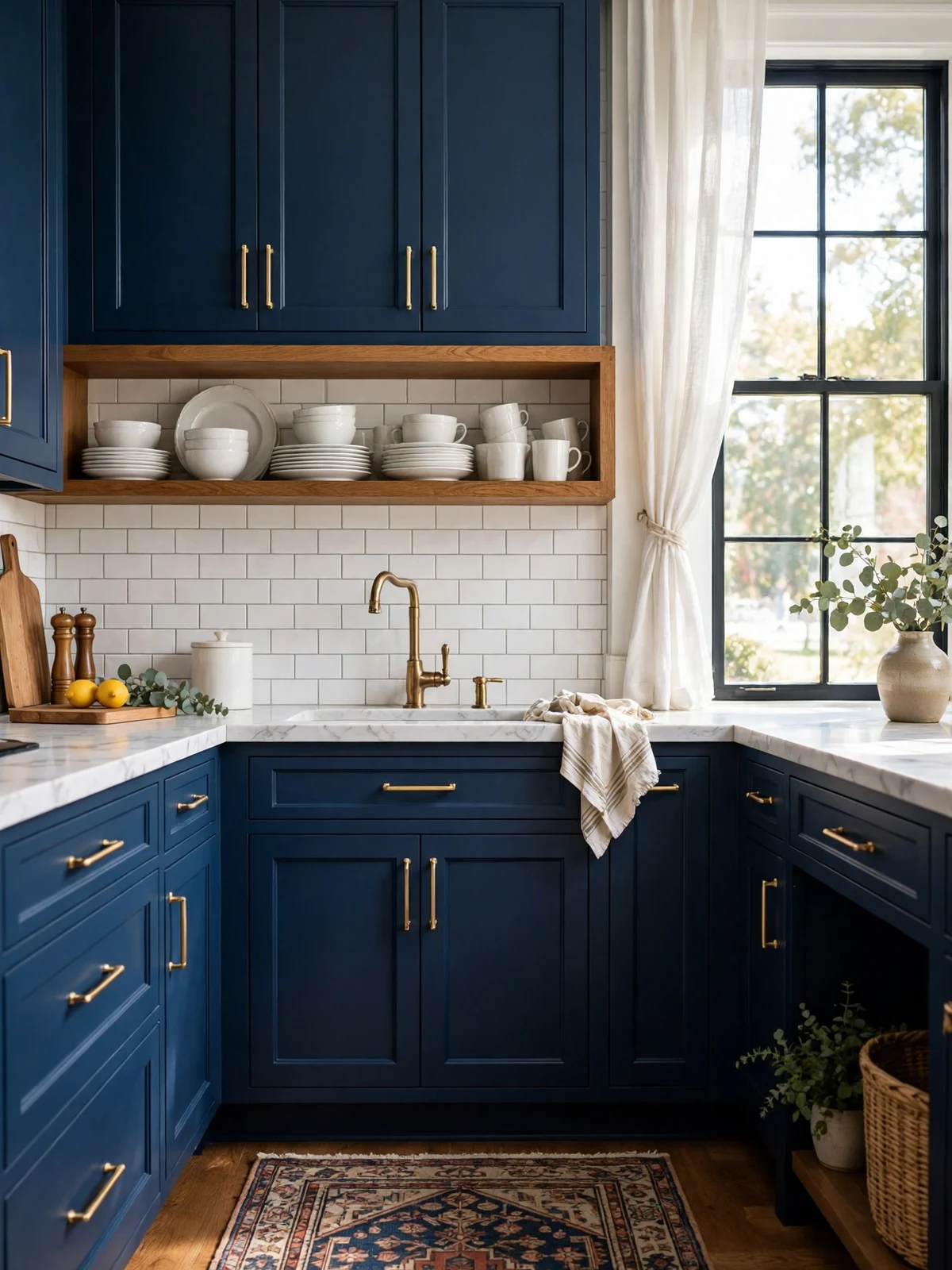
DO:
- Balance navy lowers with pale uppers or open shelves
- Choose brass or gold handles for warmth
- Keep counters light to lift the whole run
DON’T:
- Paint every cabinet navy in a dark room
- Use navy beside black appliances with no contrast
- Skip a primer on old glossy doors
Navy is deep enough to feel smart yet softer than black, and it hides the scuffs that gather near kick boards and bins. Painted cabinets let you keep your current boxes and storage layout, spending money only on primer, paint and new handles. Two coats and a weekend give you a fresh look for less than a full refit.
Natural Oak Cabinets
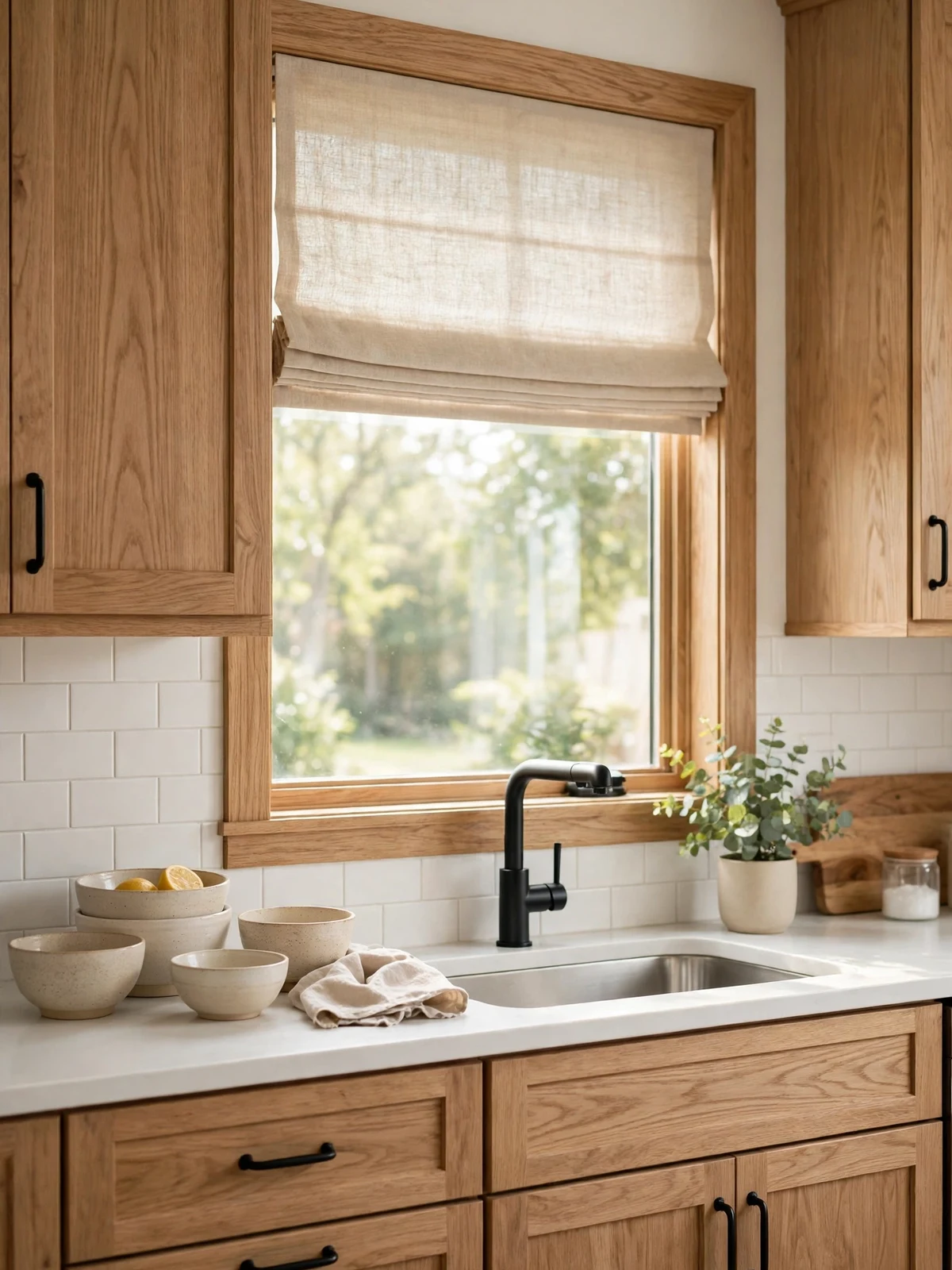
Cost: Mid range for real oak, lower for oak look fronts
Time: One to two days for fronts, longer for full units
Skill Level: Confident DIY for doors, pro for full runs
Best For: Bright rooms and Scandi style kitchens
Oak brings warmth that white paint cannot match, and its grain hides crumbs and small marks between cleans. Standard oak units store the same as painted ones, so add drawer dividers and shelf risers to get the best from the space. Seal the wood near the sink well, and wipe spills the same day to keep the finish even.
Black Matte Cabinets
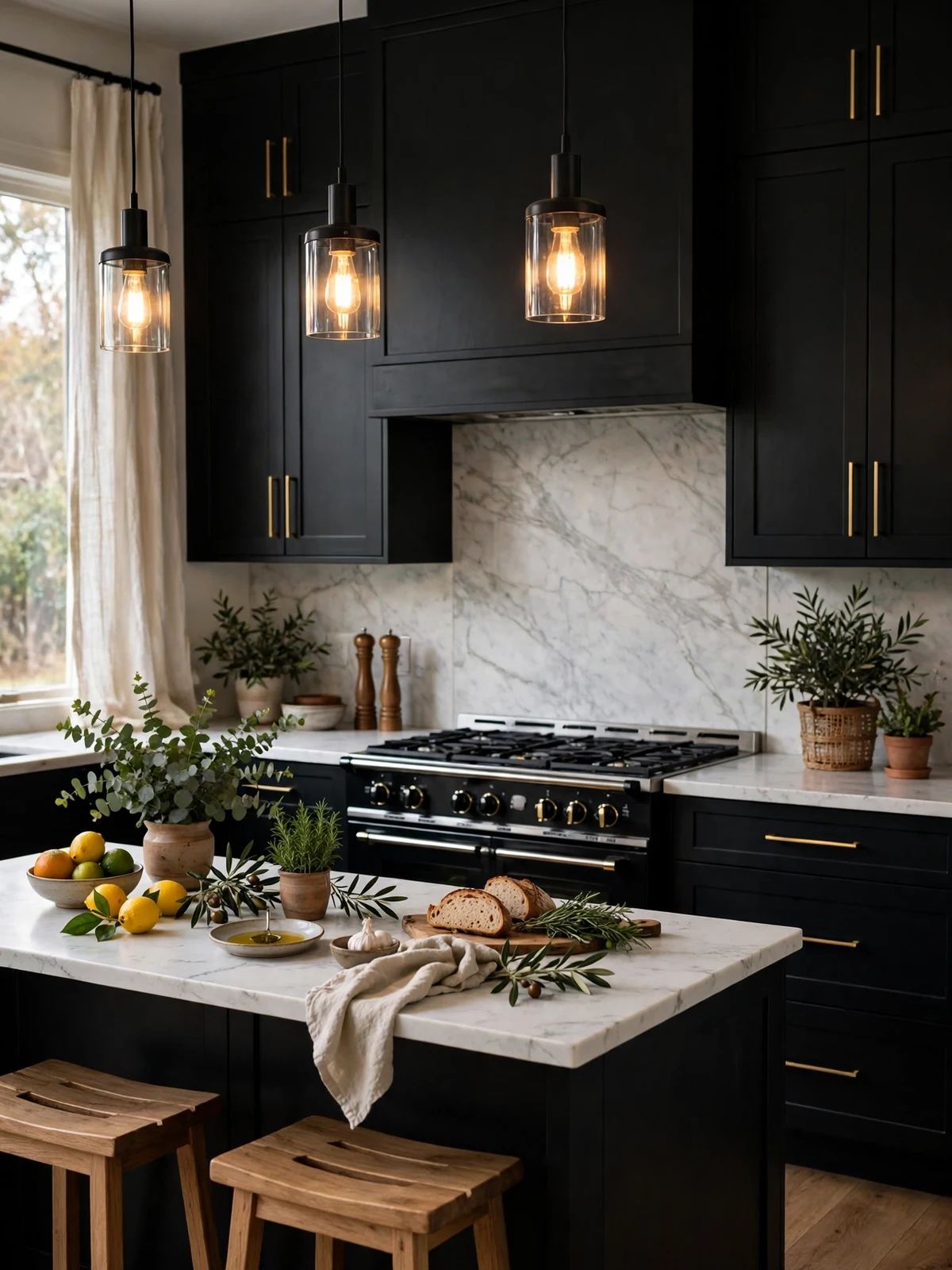
Black matte fronts feel calm and smart, like a piece of furniture rather than a kitchen unit. The soft finish drinks in light, so pair it with pale counters, warm wood and good task lighting to keep the room bright.
Storage planning matters with dark cabinets because dim corners hide items. Fit pull out trays and interior lights in base units, and store white dishes in glass uppers so daily items stay easy to spot. Matte paint shows chalky marks, so keep a microfiber cloth in a drawer. It wipes clean in seconds.
White Classic Cabinets
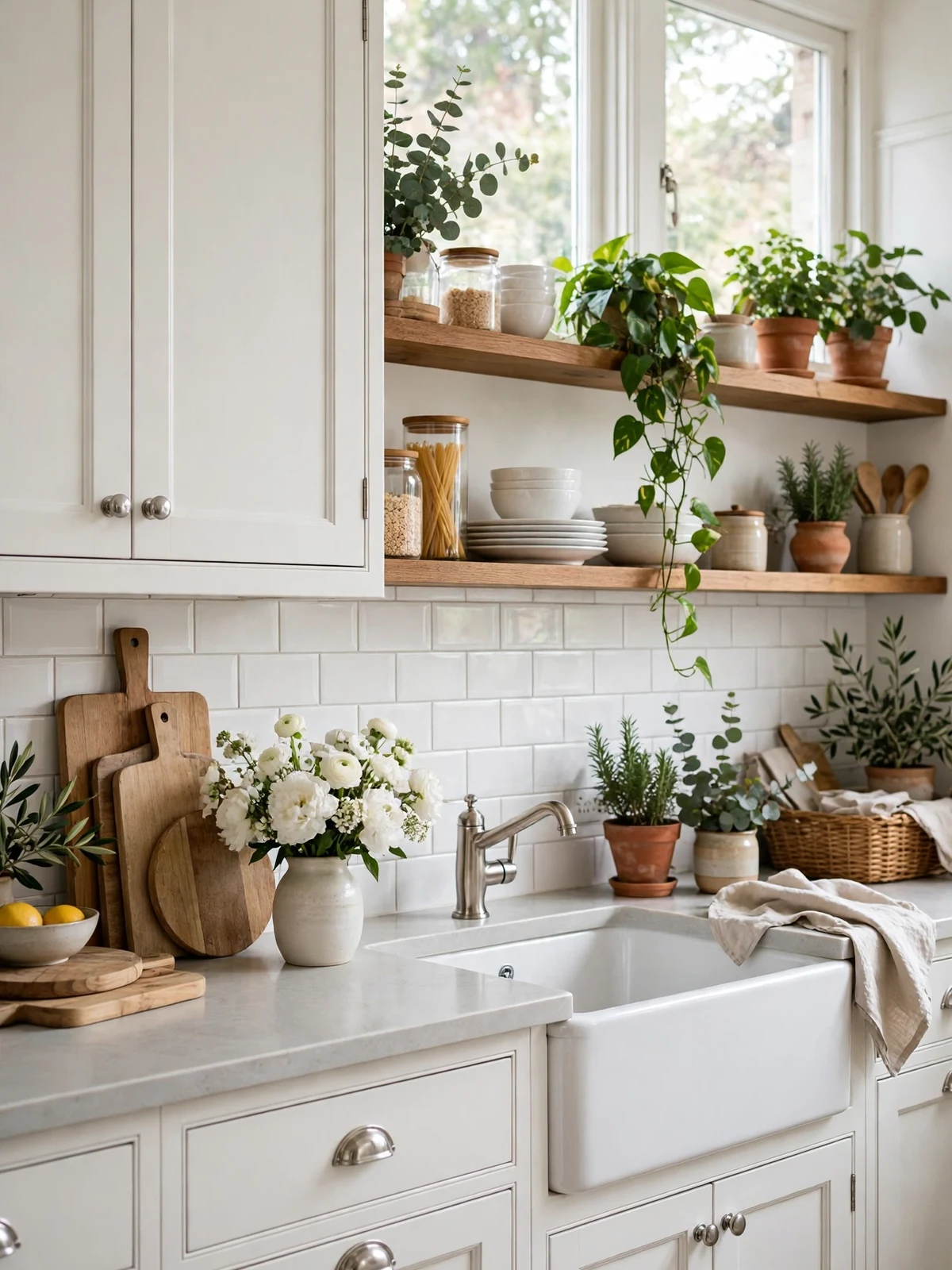
- Bright fronts make small kitchens feel bigger
- Any handle style suits white, from cups to bars
- Easy to repaint when you fancy a change
- Timeless look helps if you sell your home
White cabinets give you a blank canvas for storage planning. Fit a mix of drawers, shelves and one tall unit, then let colorful jars, wood boards and plants add the character. Choose a washable satin or eggshell finish so sticky fingerprints wipe off fast after cooking.
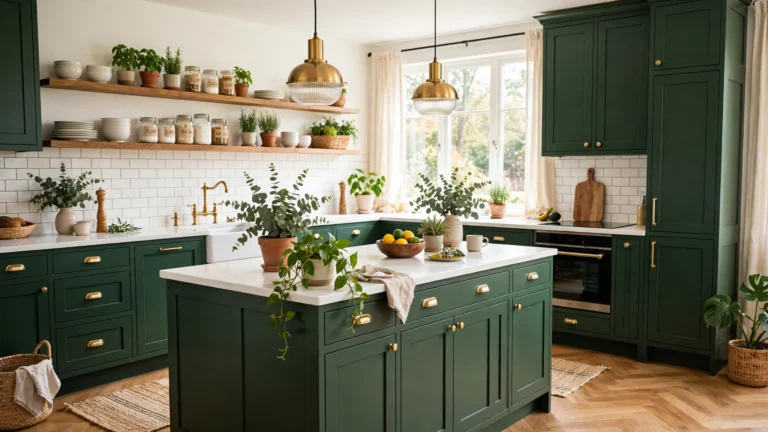
Sage Green Cabinets
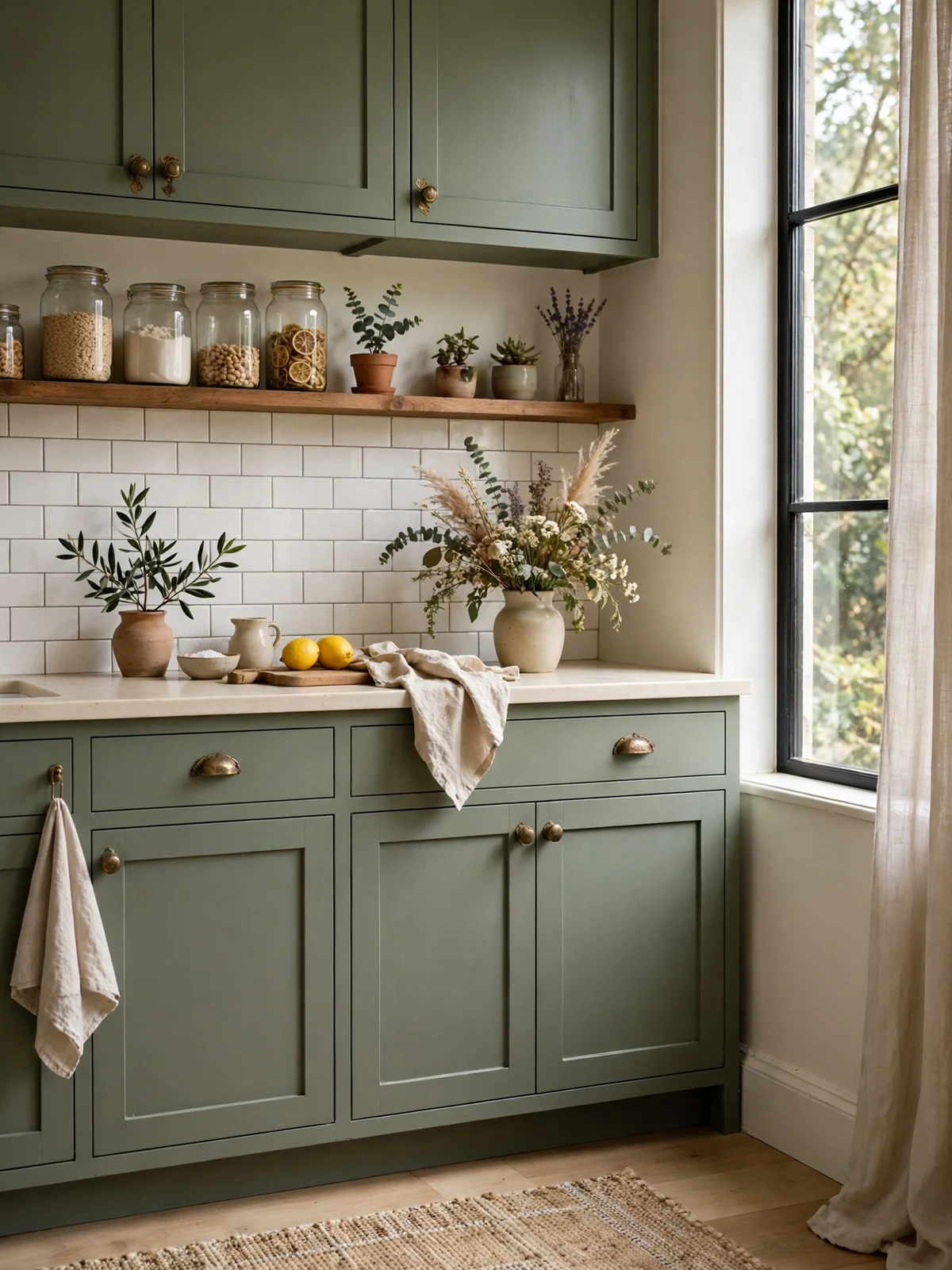
Quick Tip: Test sage on one door first, because the color shifts from grey to green as light changes.
Sage sits softly between green and grey, so it calms a busy kitchen without feeling cold. It pairs well with cream counters, oak shelves and brass knobs. For storage, sage fronts work on standard boxes, so spend your budget inside: shelf risers double your stacking space in tall wall cabinets, and clear jars keep the calm look going.
Mixed Material Cabinets
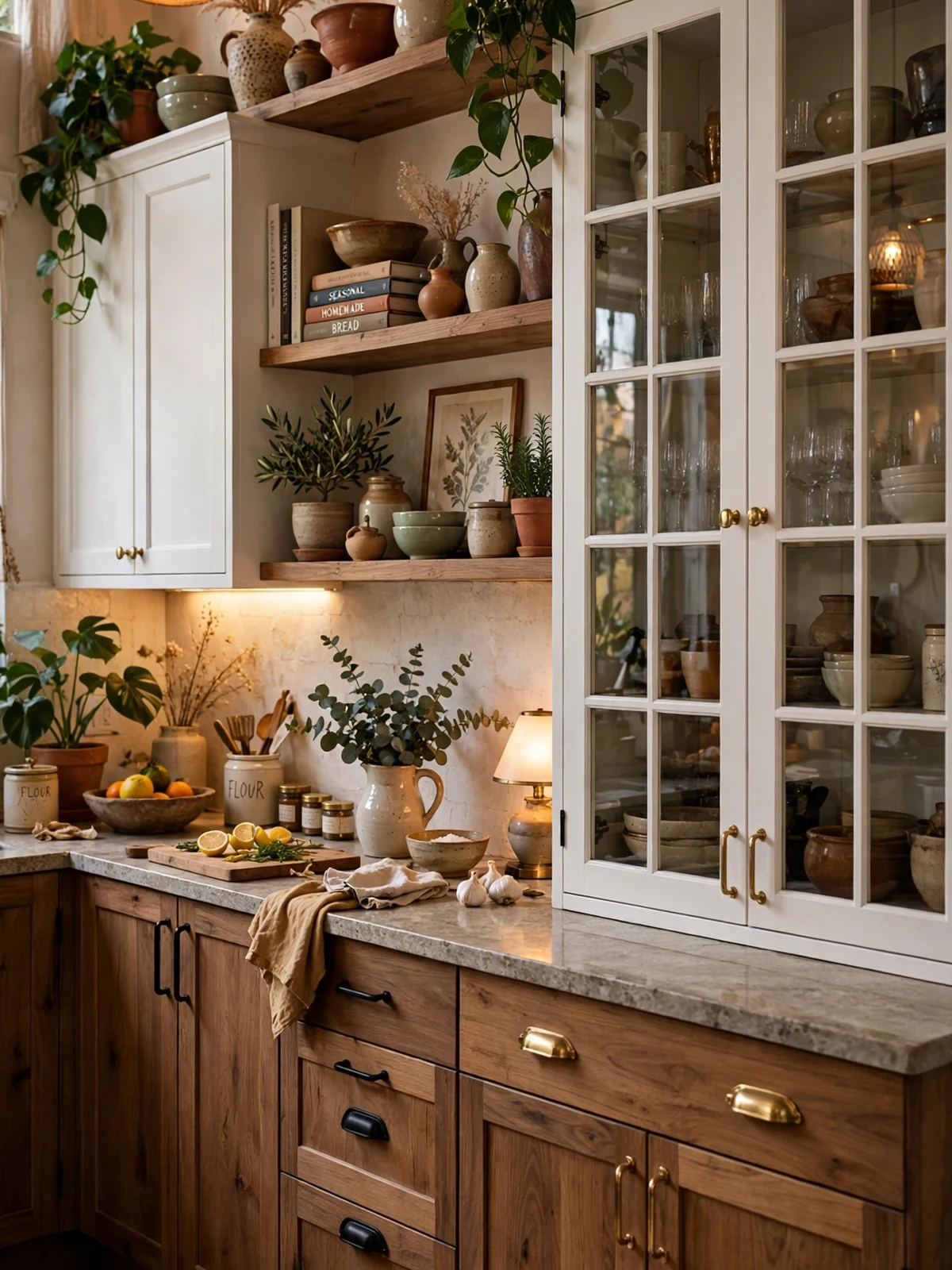
BEFORE: Every cabinet in the same finish, with the room feeling flat and storage planned as an afterthought.
AFTER: Wood lowers, painted uppers and one glass hutch, each material matched to the items it stores.
Mixing materials lets each zone do its best job. Wood base cabinets shrug off kicks and knocks, painted uppers keep the eye level light, and a glass hutch shows pretty dishes while hiding nothing you need fast. Plan the mix on paper first, keep handles in one finish, and the room will feel collected rather than mismatched.
Floating Cabinet Runs
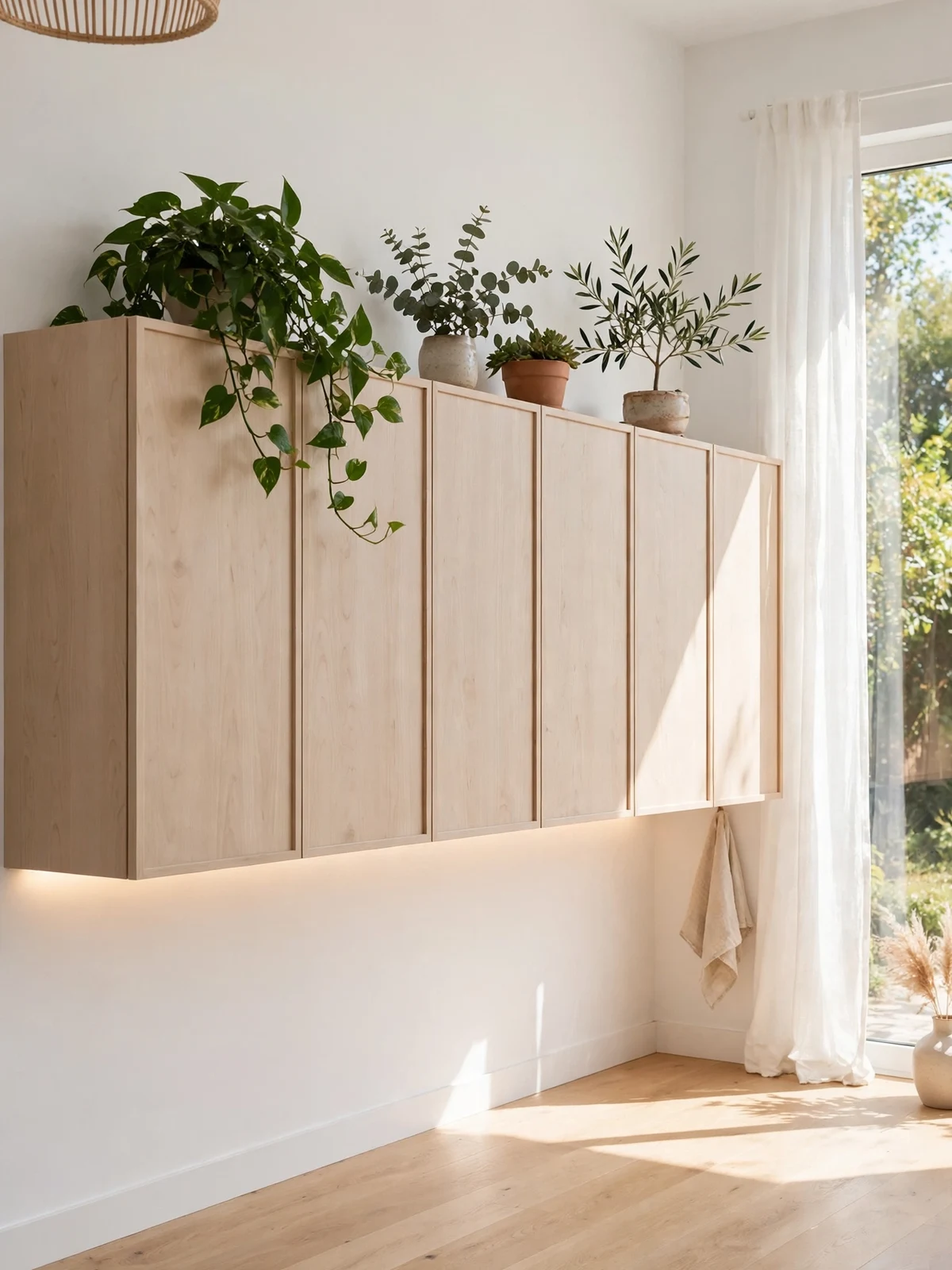
- Mark a run of wall cabinets with a clear stretch of floor below.
- Fit strong brackets and check the wall fixings twice.
- Add LED strips under the cabinets for a soft glow.
- Keep the floor below clear for stools or a slim trolley.
Floating runs lift storage off the floor, so mopping is quick and the room feels lighter. The clear floor line also makes a narrow kitchen look longer. Store lighter items up high, like glasses and serving bowls, and keep daily heavy pans in lower drawers where they belong.
Deep Drawer Cabinets
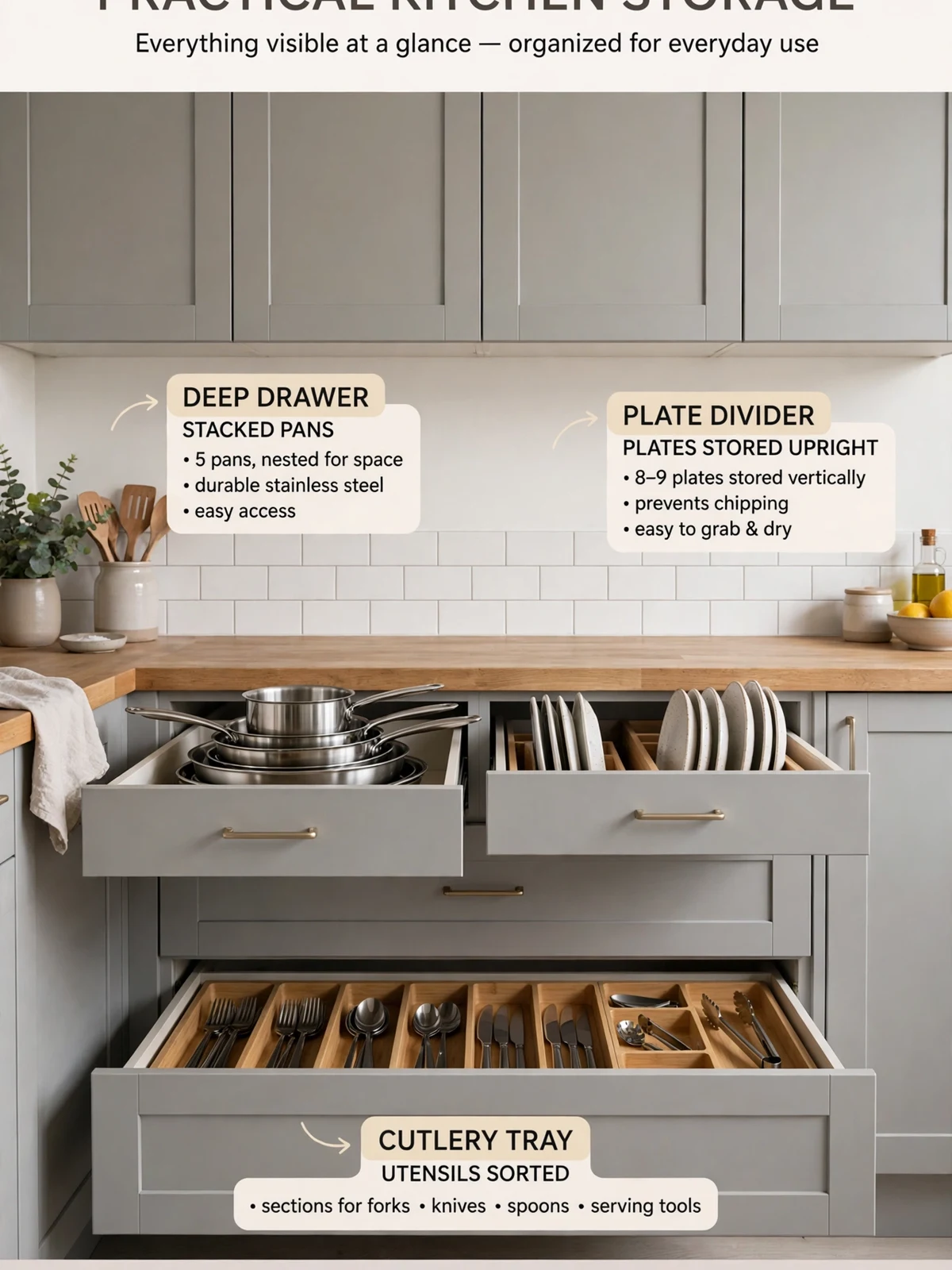
| Drawer Depth | Best For |
|---|---|
| Shallow | Cutlery, utensils, spice jars |
| Medium | Plates, bowls, food containers |
| Deep | Pots, pans, small appliances |
Deep drawers beat cupboards for heavy cookware. You lift pans from above instead of crouching and stacking, and nothing hides at the back. Fit dividers so plates stand in neat rows, and add a non slip mat in every drawer to stop items sliding when you pull them open during busy cooking.
Pull Out Spice Cabinets
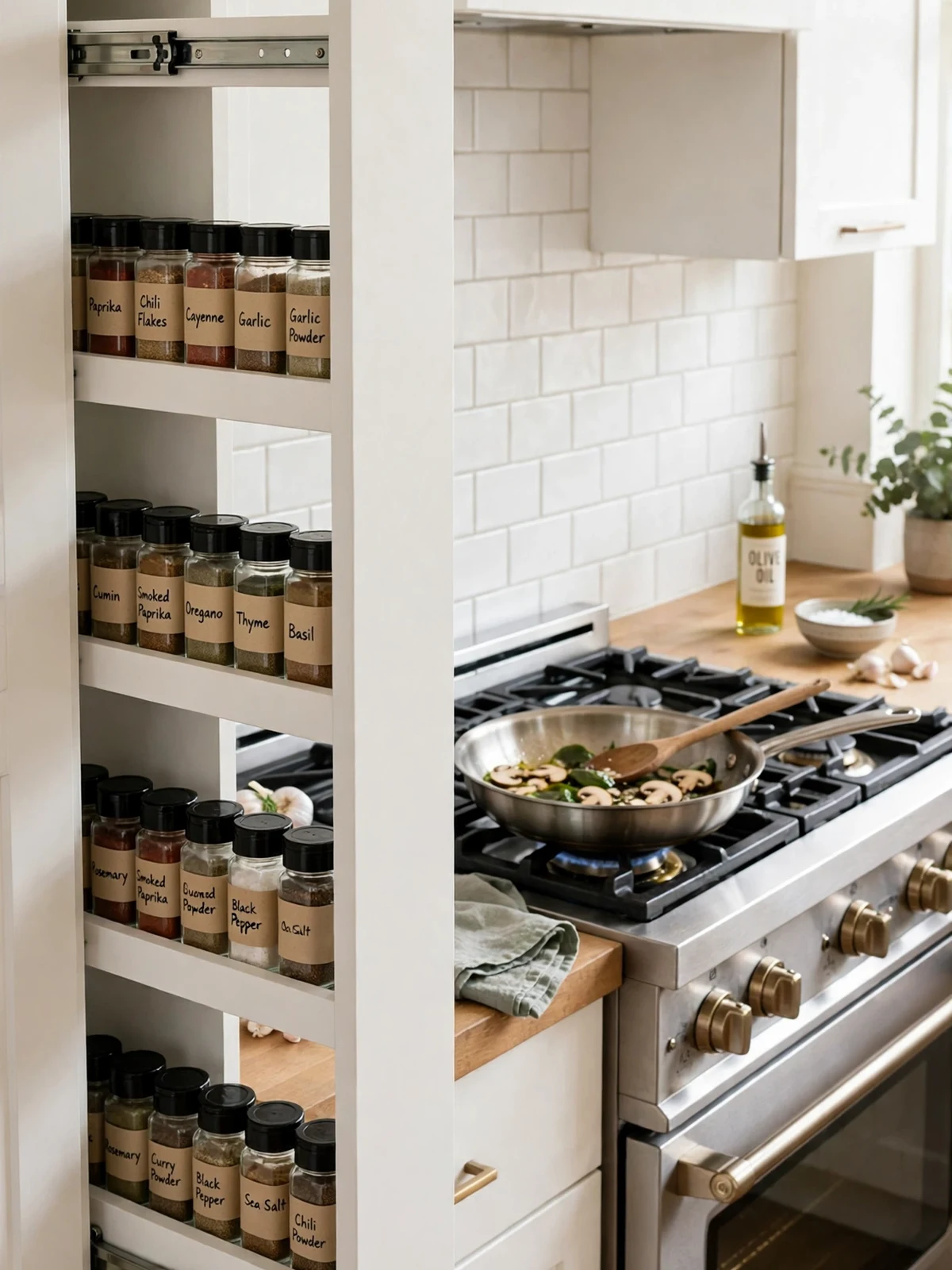
DO:
- Fit the unit beside the stove for fast seasoning
- Use tiered shelves so back rows stay visible
- Label every jar lid for top down reading
DON’T:
- Store oils where heat from the oven hits them
- Cram jars two deep on one shelf
- Skip the soft close runner on a slim unit
A spice pull out turns a gap as narrow as a cereal box into storage for forty or more jars. Everything slides out in one pull, so you stop buying duplicates of spices you already own. Keep daily spices at hand height and baking spices lower, in clear jars with big labels.
Vertical Divider Cabinets
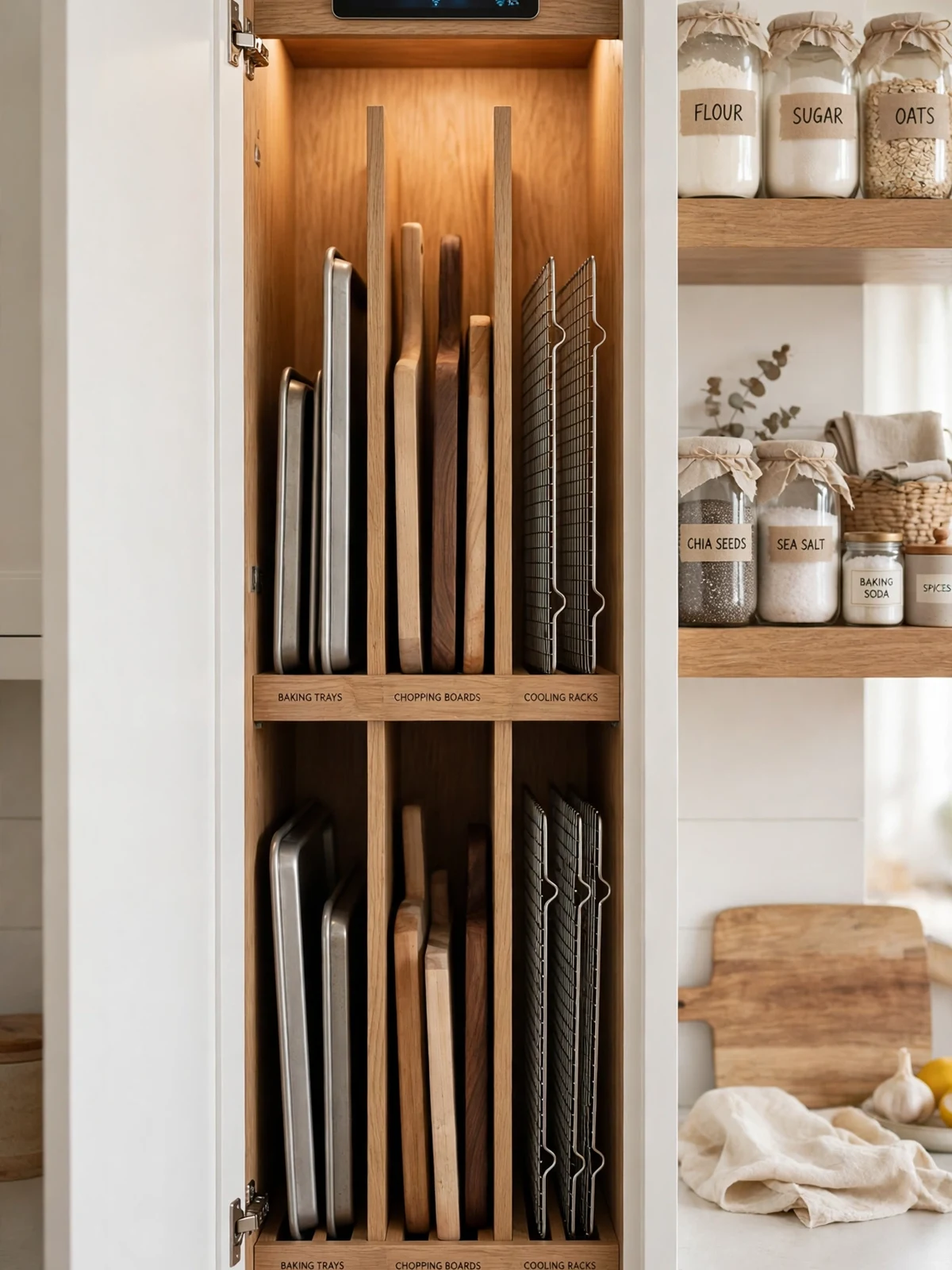
Cost: Low, dividers fit inside existing cabinets
Time: About one hour to fit and load
Skill Level: Easy DIY with basic tools
Best For: Trays, boards and baking sheets
Baking trays and chopping boards store badly on flat shelves, sliding into a heavy pile. Vertical dividers hold each one upright in its own slot, so you pull out the tray you need without lifting five others. Fit dividers in the cabinet above the oven or beside it, and measure your tallest tray first so every slot fits.
Crown Molding Tops
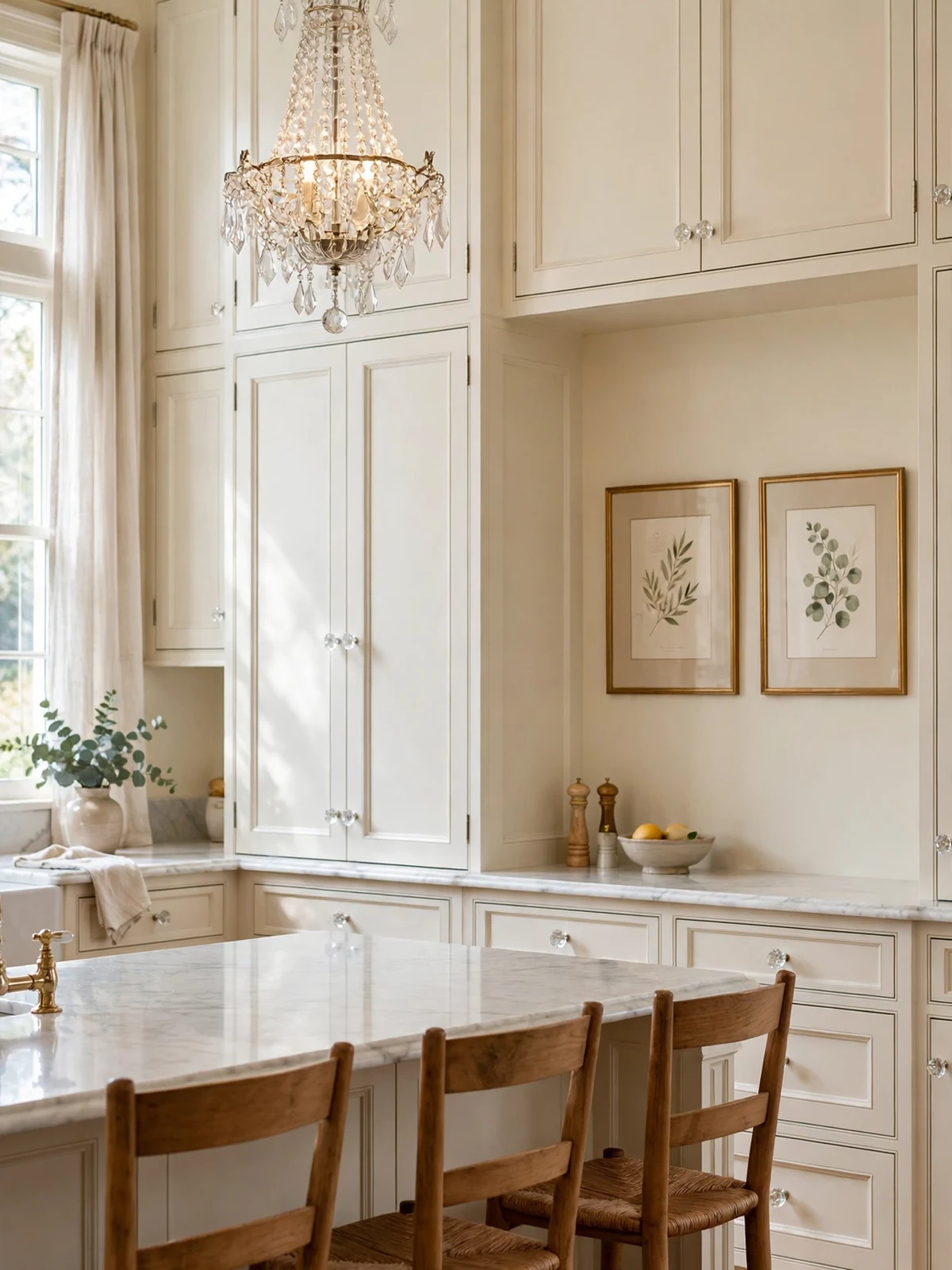
Crown molding caps the top of tall cabinets with a shaped trim that meets the ceiling. The gap above the cabinets disappears, and with it goes the dust and clutter that used to gather up there.
Of all kitchen cabinet designs, this finish suits classic and traditional rooms best. The space behind the molding stays usable too: some owners add shallow top boxes for party dishes and seasonal items. Choose a simple profile for low ceilings, and paint the molding with the doors so the whole run reads as one tall, calm piece.
Conclusion
Good cabinets make daily cooking easier, and the best kitchen cabinet designs match the look you love with storage that fits your life. Start with the zone that annoys you most, whether that is a messy corner, a dark counter or spices lost in a deep cupboard. Mix styles with confidence: shaker beside drawers, glass beside wood, color beside calm white.
Measure twice, plan where every pan and plate will live, and save these ideas before you shop. Share this guide on Pinterest with a friend who is planning a kitchen refresh, and pin it for the day your own project begins. A calm, well planned kitchen makes everyday cooking feel lighter from day one.